

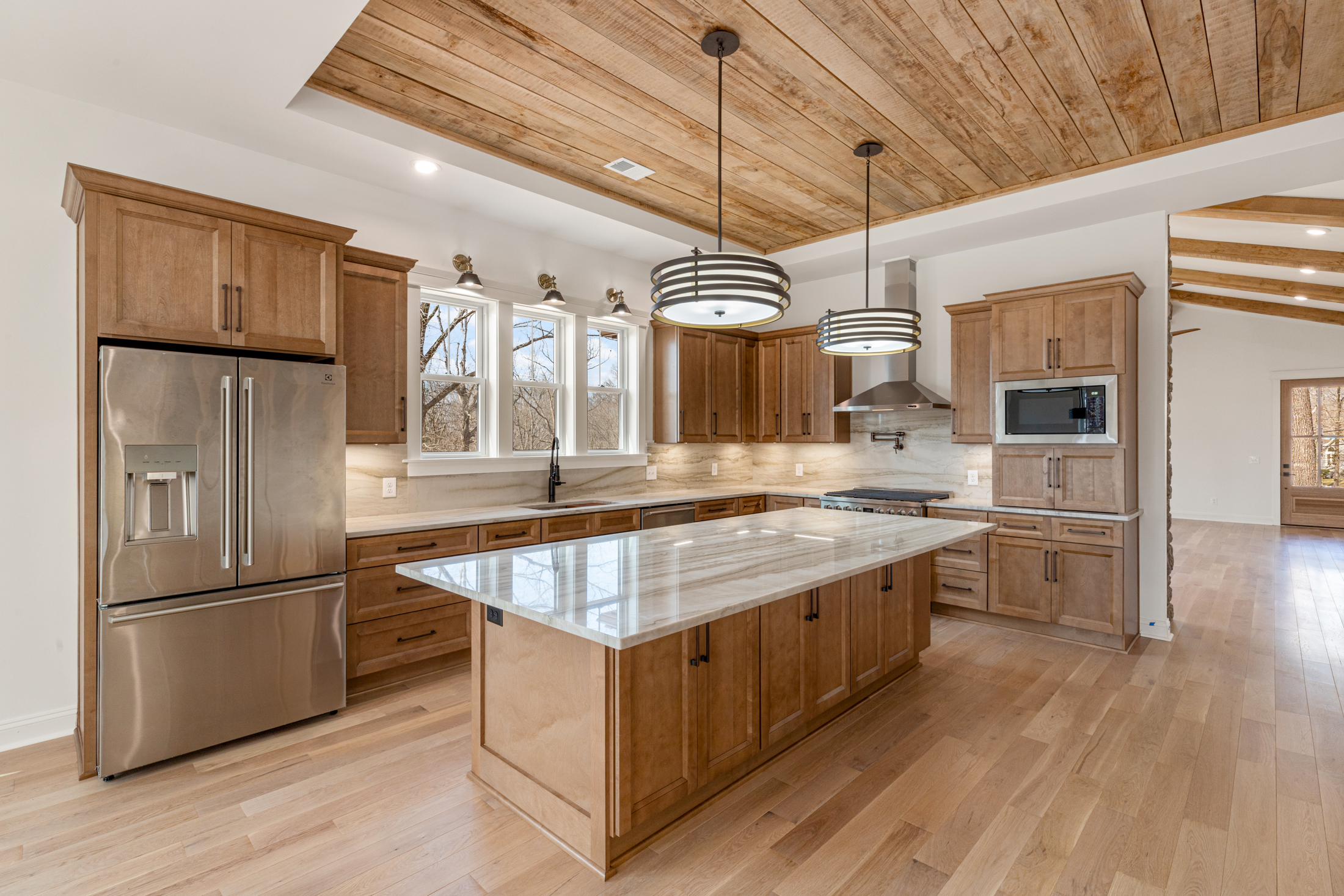
One of the biggest misconceptions about building a custom home is that cost comes down to just square footage. While size does matter, it’s far from the only factor—and often not the biggest one.
If you’re planning a custom build, understanding what actually drives cost can help you make smarter decisions, avoid surprises, and feel more confident throughout the process. Let’s break down the biggest factors that impact the cost of a custom home.
1. Design Complexity (More Than Just Size)
Two homes can be the same square footage and have very different price tags.
Things that increase cost include:
- Multiple rooflines or steep roof pitches
- Tall ceilings or vaulted spaces
- Lots of corners, angles, or bump-outs
- Custom architectural details
Simpler layouts with efficient designs are generally more cost-effective to build.
2. Site Conditions and Land Preparation
What’s under and around your home matters a lot.
Site-related costs can include:
- Clearing trees and vegetation
- Grading and excavation
- Driveway length and slope
- Septic systems or utility extensions
A flat, build-ready lot will cost less to develop than a steep or wooded property—even if the homes are identical.
3. Materials and Finishes
This is one of the most noticeable cost drivers—and one where small decisions add up quickly.
Examples include:
- Flooring types (hardwood vs. luxury vinyl)
- Cabinetry (stock vs. custom)
- Countertops (laminate vs. quartz or stone)
- Windows and doors
None of these are “right” or “wrong” choices—it’s about making selections that align with your priorities and budget.
4. Mechanical Systems and Energy Efficiency
Behind-the-scenes systems play a big role in both upfront cost and long-term comfort.
Higher-cost options might include:
- Upgraded HVAC systems
- Energy-efficient windows and insulation
- Smart home features
While these can increase the initial build cost, they often provide long-term savings and comfort.
5. Labor and Craftsmanship
Experienced builders and skilled trades typically cost more—but they also bring consistency, quality, and fewer surprises.
Quality craftsmanship affects:
- Structural integrity
- Fit and finish
- Durability over time
Choosing a builder based solely on price can sometimes lead to higher costs later through repairs, delays, or change orders.
6. Timing and Market Conditions
Construction costs aren’t static. Material pricing, labor availability, and demand all affect your final cost.
Building during peak demand or when certain materials are scarce can increase pricing or extend timelines.
7. Changes Made During Construction
Late changes are one of the fastest ways to increase cost.
Even small adjustments can require:
- Reordering materials
- Rescheduling trades
- Reworking completed work
Planning thoroughly before construction begins helps keep costs under control.
Key Takeaways
- Cost is driven by design complexity, not just size
- Land and site work can significantly impact budget
- Materials and finishes add up faster than expected
- Planning early saves time, money, and stress
Final Thoughts
Building a custom home is all about trade-offs. Understanding what impacts cost the most helps you focus your budget where it matters to you—and avoid spending money on things that don’t.
Check out the articles below for more information about things that impact the cost of building a home.
If you’re thinking about building and want help prioritizing design and budget decisions, we’re always happy to talk through options and provide guidance early in the process. Call our office anytime Monday-Friday 7:30am-4:30pm at 615-512-4112.